


In talking to several fishermen, I have found that more and more often we go on quick fishing trips, or at most two nights, once or twice a year. However, there are also a few more fortunate anglers with whom we manage to organise sessions of several consecutive days, the so-calledlong sessions.
How many of you have happened to look for longer holidays to plan along fishing session? Maybe somewhere far from home! It happens to me every year, and I regularly end up in the most inconvenient places, but despite this I am convinced that being able to practise our passion for several days on the shores of a lake has a whole other charm. I have always tried my hand at these adventures, even when experience was lacking: most of the time I was driven by recklessness and the desire to discover and try. I admit that when I was just starting out, apart from running avoidable dangers, I received some harsh lessons that served me well to understand that to embark on such adventuresyou need to be properly organised.
We all agree that combining days off with national holidays is convenient, but surely we should anticipate the likelihood of finding more tourists than travelling anglers:The choice of fishing period must be linked to the choice of location.
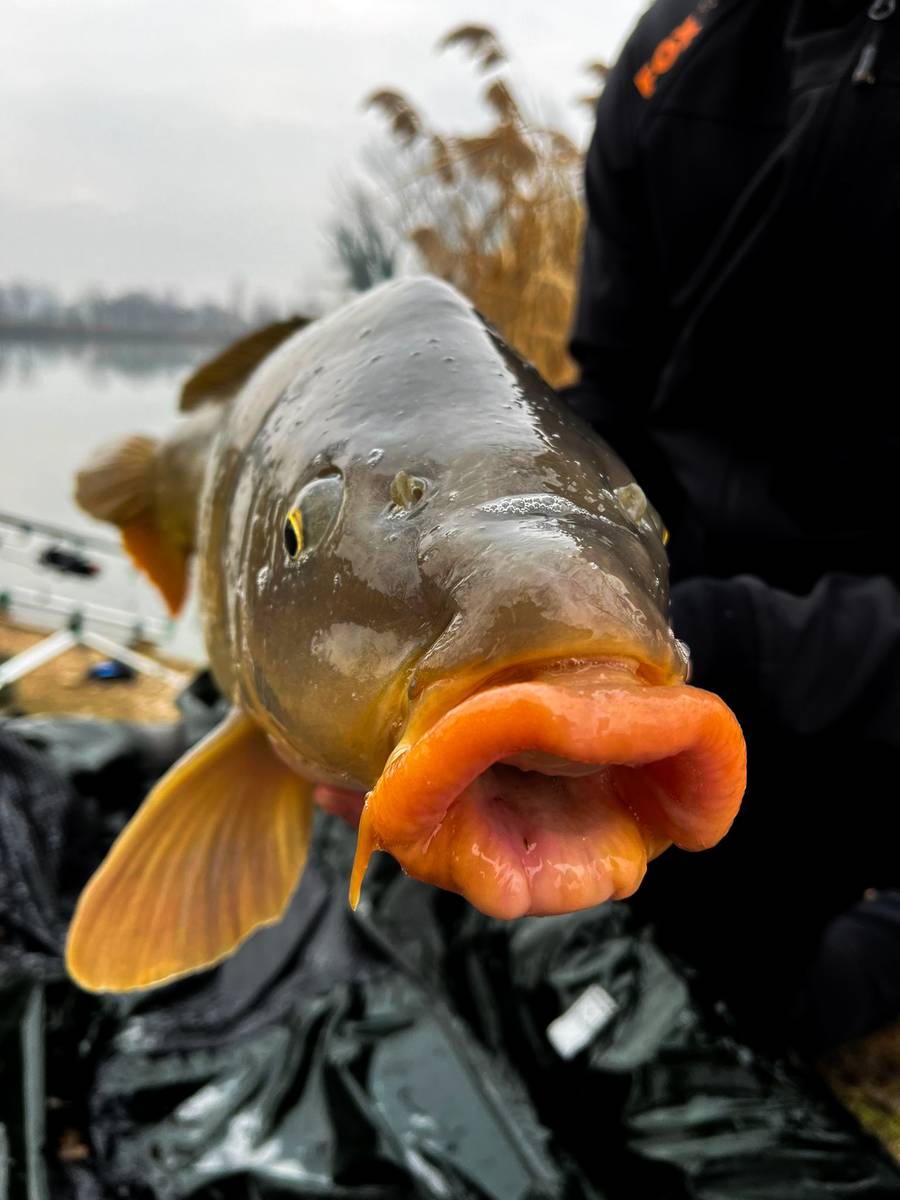
One of my firstlong sessions was at the famous Saint Cassien lake in France in the late 1990s. Unfortunately, my partner and I had not taken the spawning period into account and unfortunately, when we arrived there after days of travelling, we realised that a good proportion of the fish had gone to the reserve. Despite everything, we managed to wade a couple of carp.
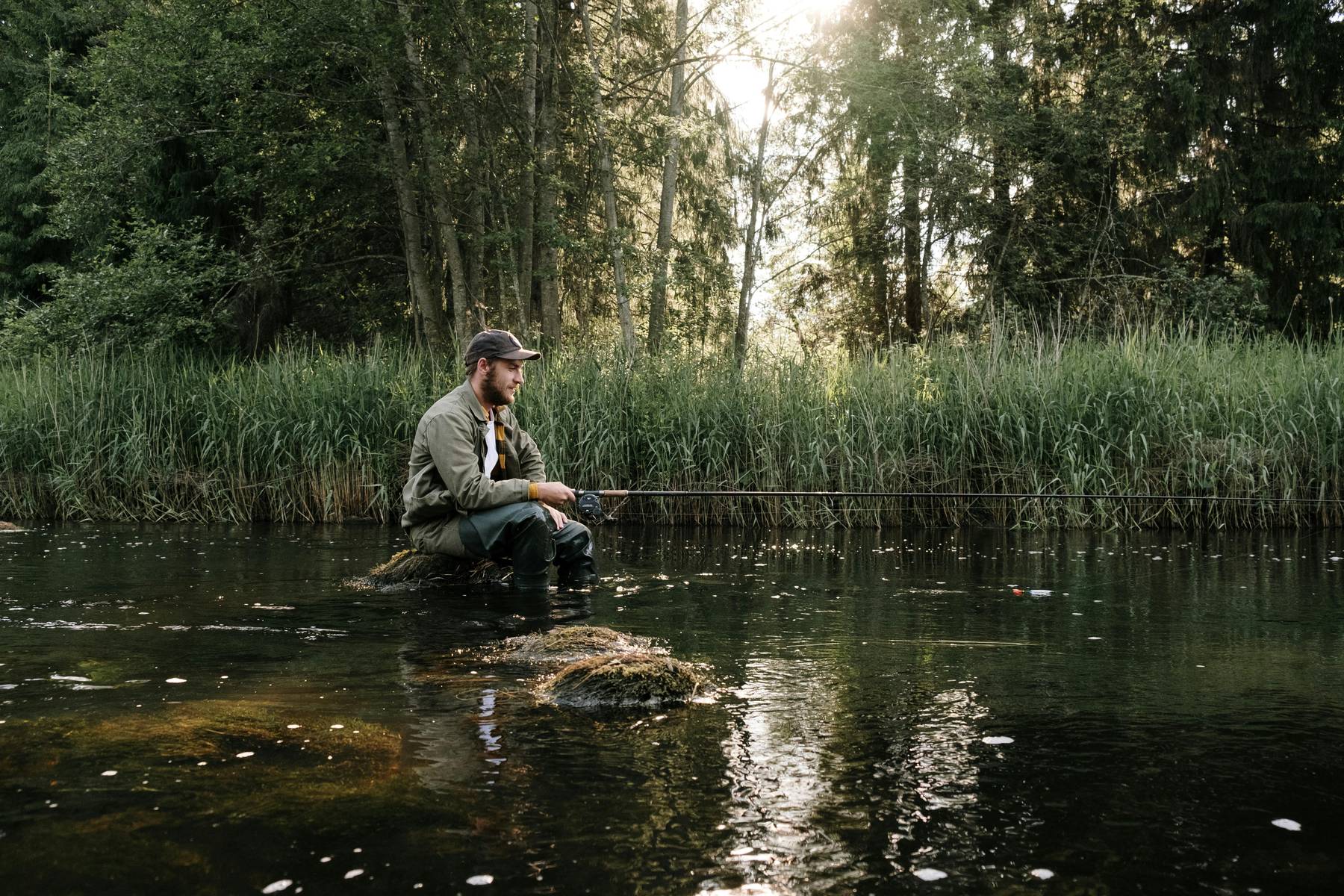
Therefore, it is always good to christen the period and the relevant watercourse taking into account the factors that will directly influence our outings. We do not necessarily have to aim for a big lake, we can also do thesession in some rivers.
In spring, on running watercourses, one must be sure that the river is not in flood. If there has been a flood recently, it must have long since passed. Finally, it is very important to monitor the weather on the days of fishing.
Today I am feeling altruistic and I want to share with you my strategy that I have implemented over the years. Here's how it works: in the spring I organise myself for running streams, in the summer for quarries or reclamations and in the autumn for large lakes. Having said that, by following a few small rules I have always managed to achieve some good carpfishing sessions. You want to know what they are?
- Find out about local fishing regulations.
- Ask questions. Will night fishing be allowed? Is carpfishing possible? With how many rods? Are there any passes to be made on site or online? (We normally organise long sessions in places far from home, where we have no way of pre-paddling, unless we have friends on site who can help us with the baiting campaign). Study the place. As soon as you arrive at the site, if not done beforehand, you should study the fishing spot by making various evaluations, also depending on the period. For example, in a large lake in spring you should choose shallow spots near reed beds where carp begin to turn in the pre-fishing period. Choosing fishing spots will take time and it is a must to have alternatives. If you have more days available, you may decide to move after the first 48 hours if the results are not forthcoming.Lures. According to my experiences, the choice of bait should be varied. Since you have not done any prior baiting, you will initially have to create a general area of interest by using bait that will attract minnows to the spot and then select prey. I use mixed grains, pellets and boilies for the first 48 hours of fishing. Then I switch to using only large boilies. Obviously, these are choices linked to the course of the fishing and the season, so a good supply of bait will become essential.
- Extra equipment. The equipment will certainly be quite a lot and will include in addition to the normal fishing setup also:
- a boat (for travelling on the waterway),
- an additional boat (used for transporting the equipment),
- a depth sounder (for sounding the seabed),
- clothing (for several days),
- a cooker (for cooking),
- canisters for water supply (and find a possible source on site to refill them).
- a portable solar panel (to recharge the battery if we use the electric motor for the boat),
- a power bank (to recharge the mobile phone)
- long-life food supplies and/or possible camping fridge. (For years I have had a trivalent that runs on gas and I always have fresh food and drink for several days),
- a first aid/medicine case and dressing material.
A piece of advice I would give is to always be opportunistic and dynamic. If a spot will not bear fruit despite having done what is necessary, I recommend changing it, and here I take you back to the three alternatives chosen before starting the session. Of course, if you can organise the fishing in company, it is always better. Helping each other in these adventures always strengthens friendships and without doubt these experiences will leave memories that you will carry with you for a long time.
See you next time!
Daniele Annovi
Team Molino Zombini

