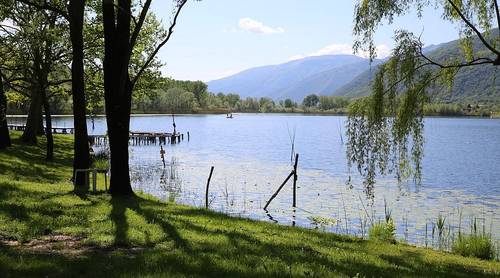

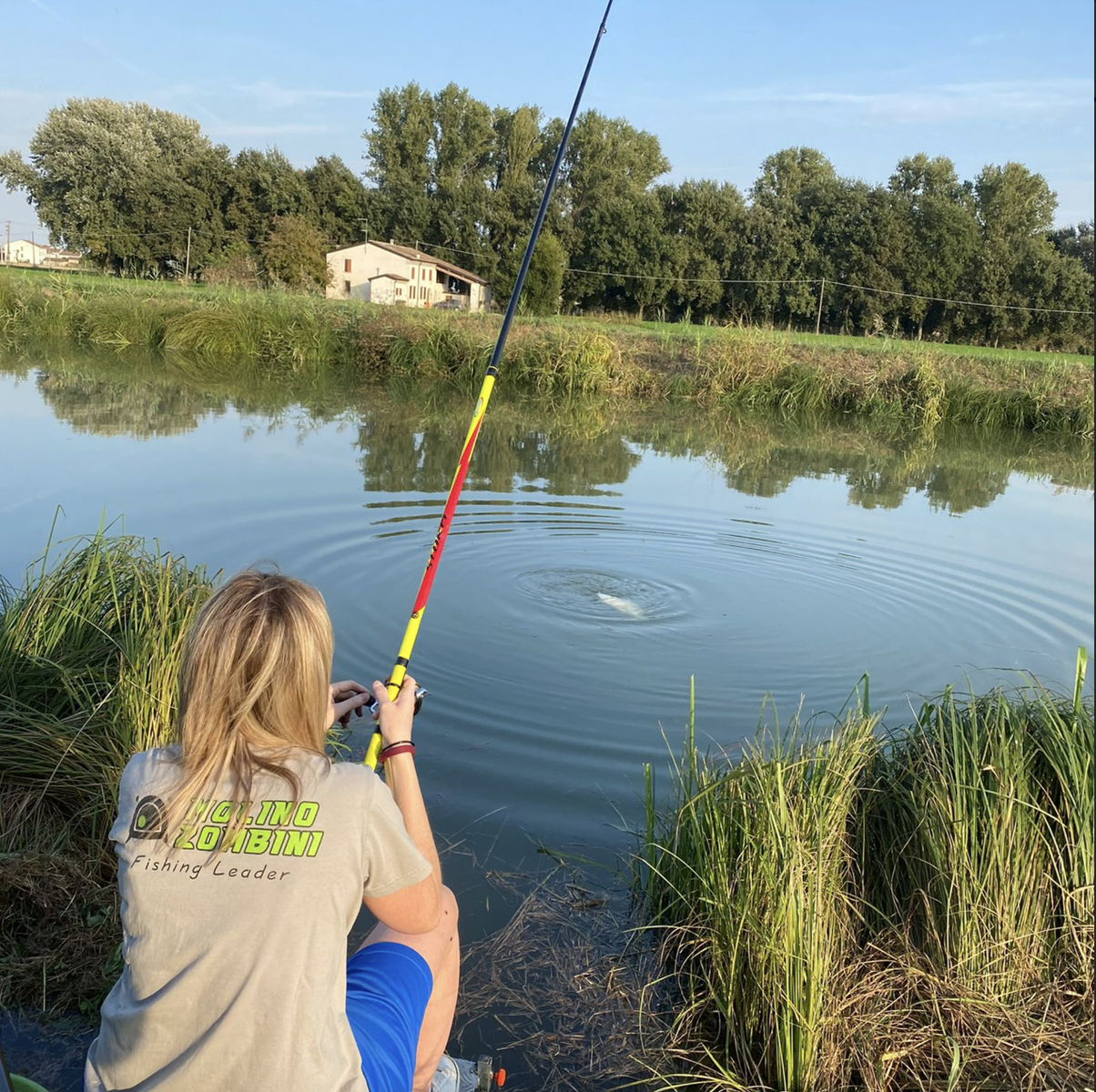
Some of you will have found yourselves fishing in a stretch of water choked with weeds, right? …and you probably ended up giving up on a session that, at first glance, seemed impossible to manage.
I did the same when I was starting out: more than once I decided not to fish in those environments… simply too many problems.
And yet, if approached the right way, fishing in weedy areas can produce great catches—precisely because many anglers prefer easier, less demanding spots.
Let’s first understand this kind of natural barrier that, at a certain time of year, rises between our rods and the carp. In spring, everything turns green again: just like plants and flowers on land, aquatic vegetation in our waters starts growing back.
Of course, the main factors that encourage this growth are water temperature and clarity. In shallow to medium depths—where sunlight penetrates more easily—weed and algae start thriving earlier.
It’s in these habitats that, often from late April to early May, the vegetation begins its rapid growth. But why look for carp in such difficult places?!
It’s simple: in summer, thanks to photosynthesis, aquatic plants use sunlight and produce oxygen.
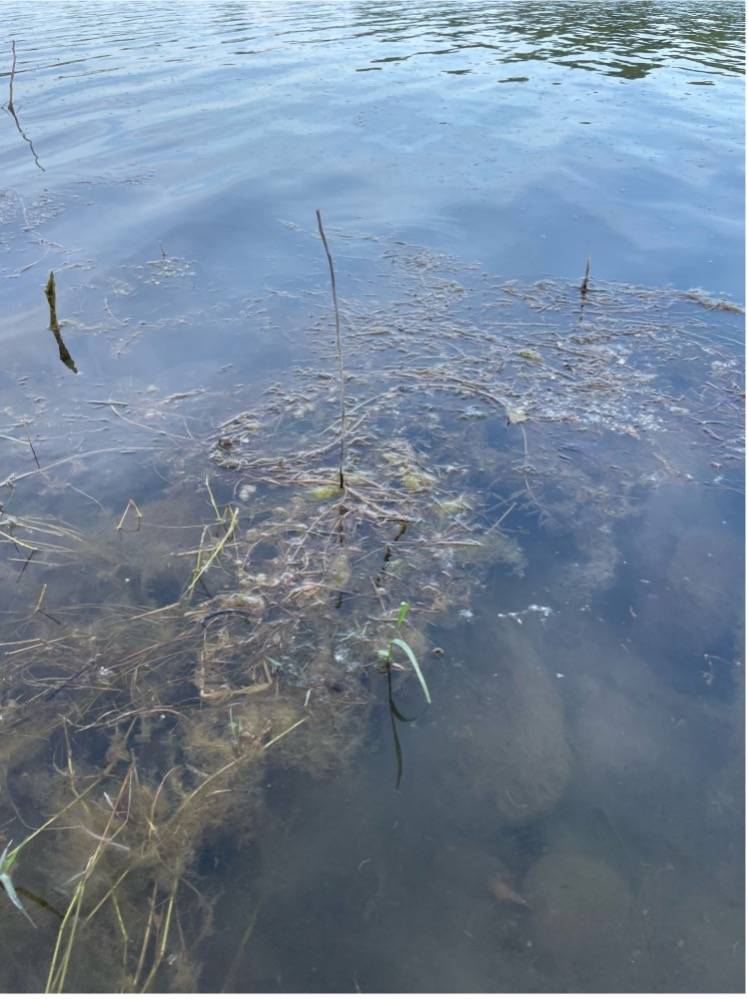
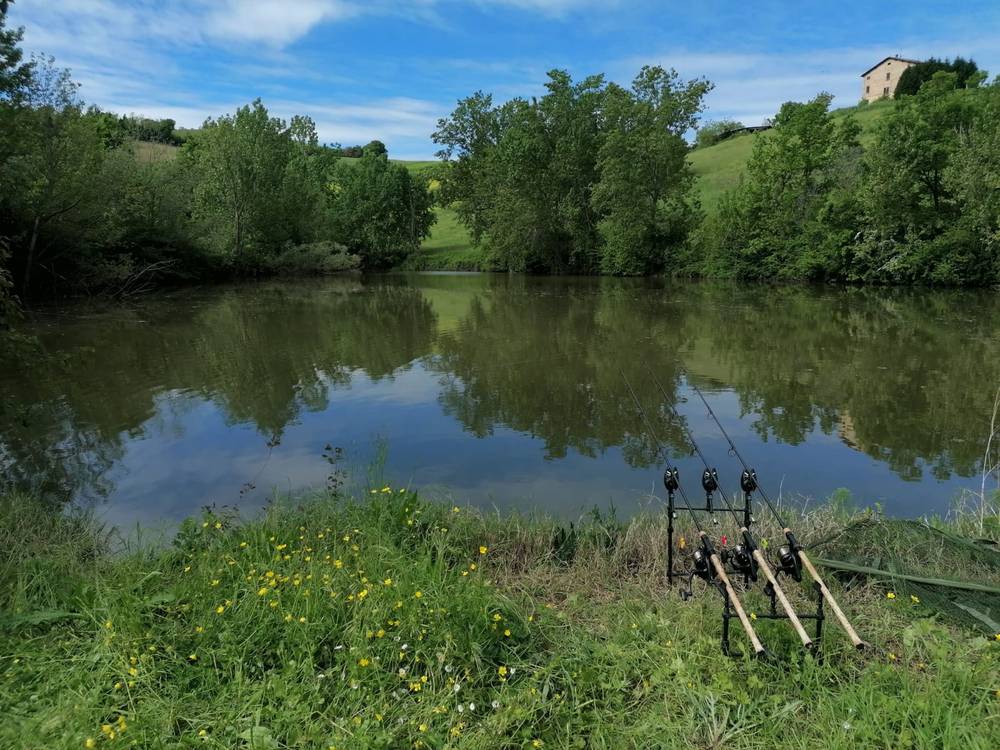
These are great areas to target fish during the day, when—especially in the warmer months—carp often hold there because they not only find oxygen-rich water, but also shelter from the light and, unfortunately, from anglers’ pressure.
At night, however, these same areas are far less productive, because oxygen production is replaced by the release of carbon dioxide, which can push fish away. So after dark it’s usually better to look for spots with different characteristics.
From a practical point of view, fishing inside these areas is not easy. Weed rarely grows completely evenly, though, and sometimes we can find small patches where it hasn’t grown—or at least where it’s much thinner. Those are the exact places where we should drop our rigs.
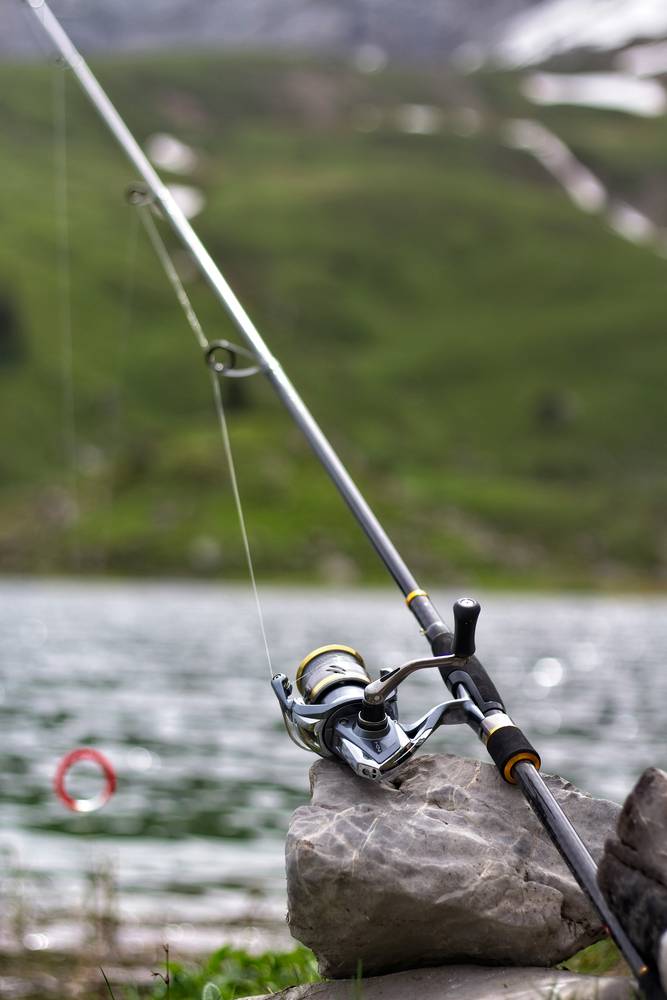
As for tackle, if you expect to land fish from the bank, it’s best to use at least 12 ft rods with a solid test curve. The same goes for reels: they must be sized to handle the strain and spooled with braid.
If you have a boat and you’re allowed to use it, you can opt for 10–12 ft rods, as long as they’re still powerful enough. Rigs should be simple and strong, with no unnecessary knots or potential snag points.
Using a good-sized PVA bag will help keep the hookbait clean and surround it with feed, making it more visible even in the presence of weed.
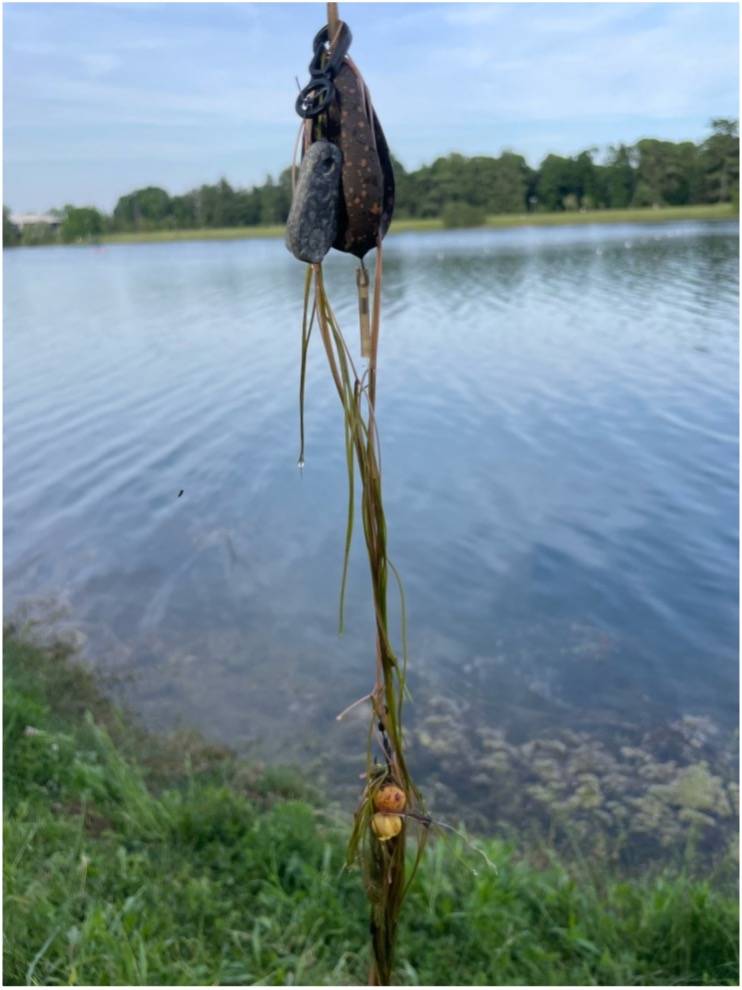
Using a drop-off lead is very important—better still, a drop-off stone tied with a classic strip of inner tube. That way you’ll have a heavy weight that will detach when you get a take, and you’ll also be fishing in a more eco-friendly way by avoiding leaving lead in the water.
Another technical adjustment that, in some venues, may be necessary is a back lead (line sinker). Unfortunately, in certain waters you have to use one because of constant boat traffic.
Here it’s crucial that this small accessory releases from the main line as soon as possible; otherwise it becomes a snag point and weeds will cling to it during the retrieve, making everything even harder.
So I recommend back leads made from a simple lead attached to a thin wire clip that you close around the main line right after casting or baiting up.
Alternatively, back leads connected to a fluorescent braid (like the ones Fox used to make) work great. The key point is that at the moment of the strike, it must disengage immediately and allow you to fight the fish freely.
Fishing in these weedy areas is anything but relaxing. Runs are often short, and more often than not you’ll notice a take only from a few movements of the swinger.
Carp in weed beds can’t really run and take line; they almost always lock themselves into thick weed masses in an attempt to shake free. The best option, right after the hookset, is to reach the fish with a boat and carefully free it from the weed.
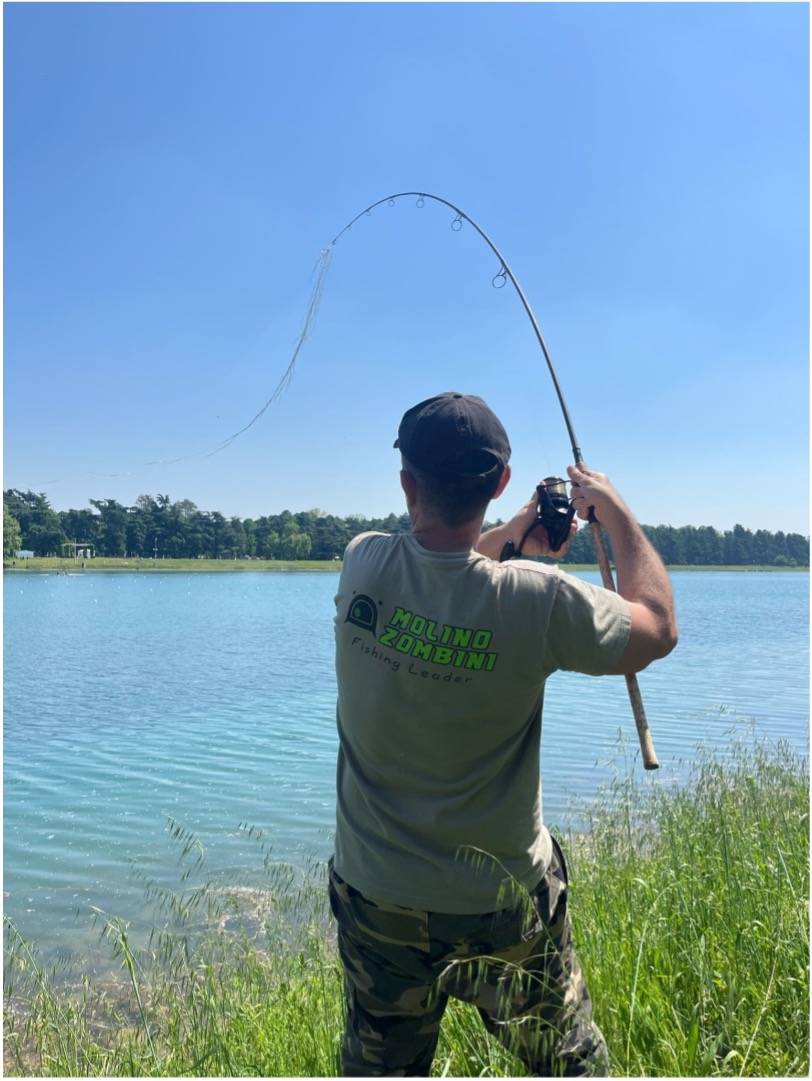
If you don’t have a boat, things get more complicated—but it’s still not impossible. Long, powerful rods will definitely help, but be careful not to overforce the fish if it gets stuck in the weed. It’s better to keep steady pressure and, if possible, change the angle of pull.
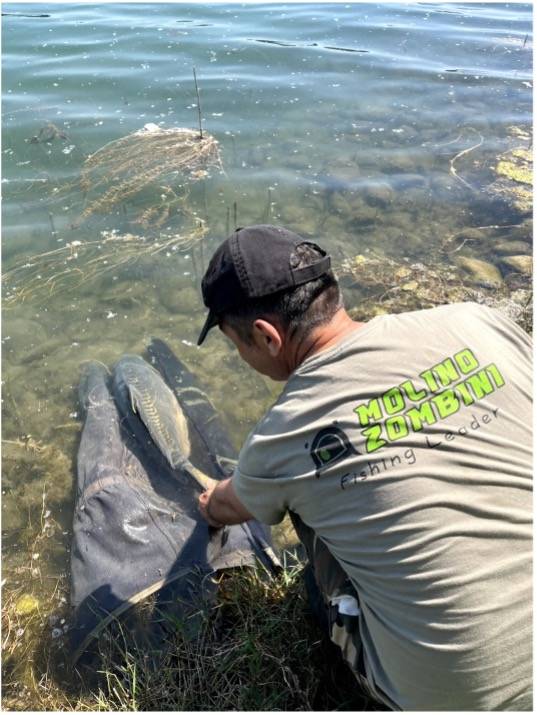
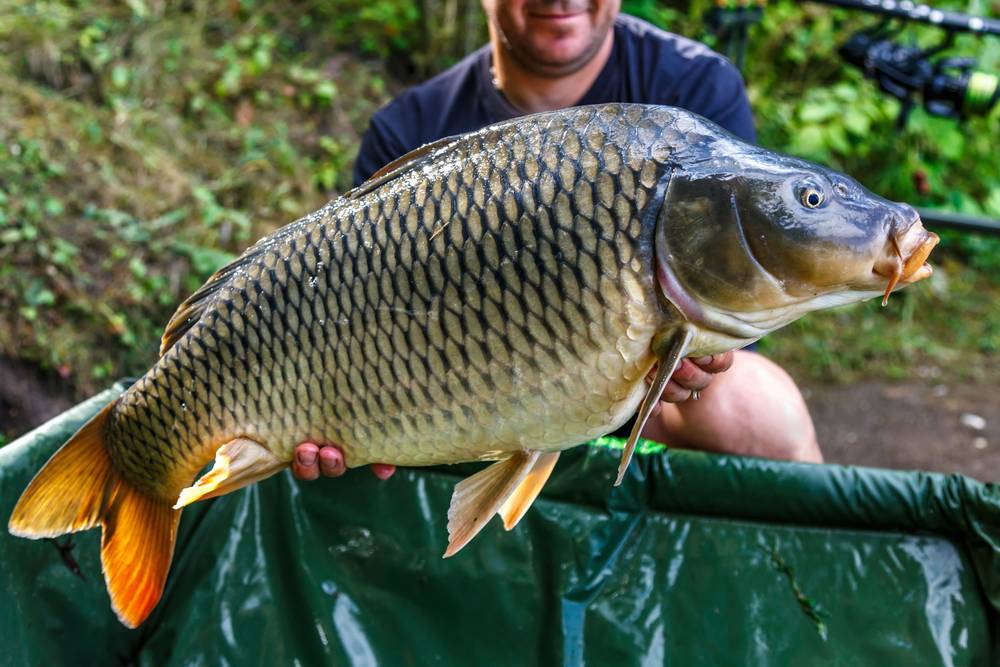
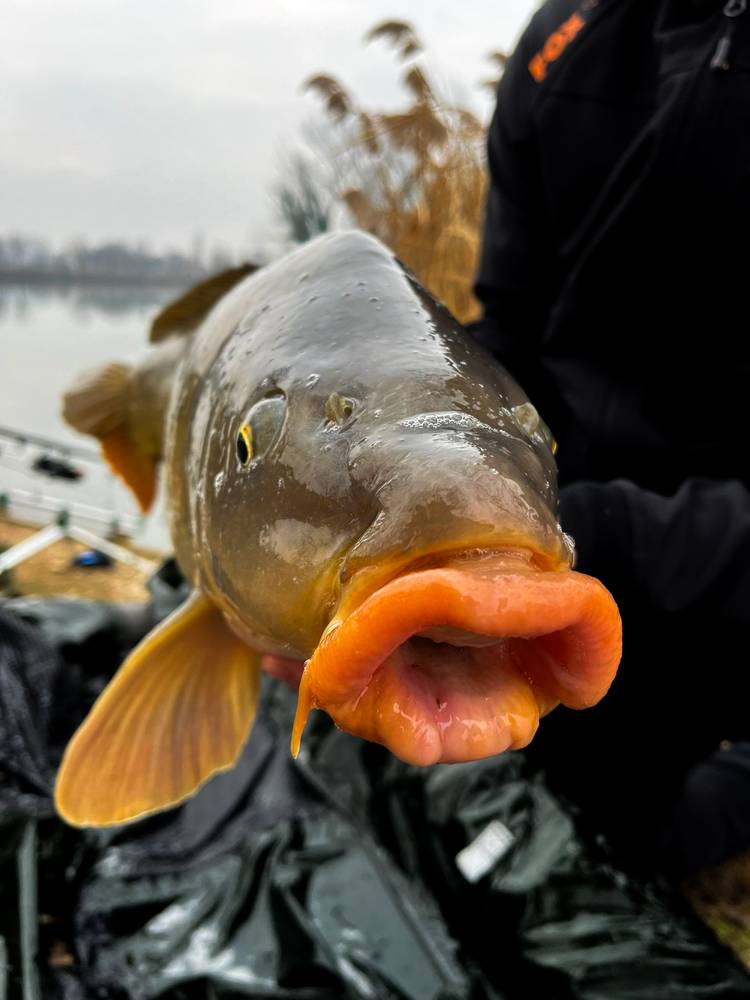
If you’re fishing with someone, ask for help—because you’ll almost certainly need to clear the main line of weed clumps during the retrieve.
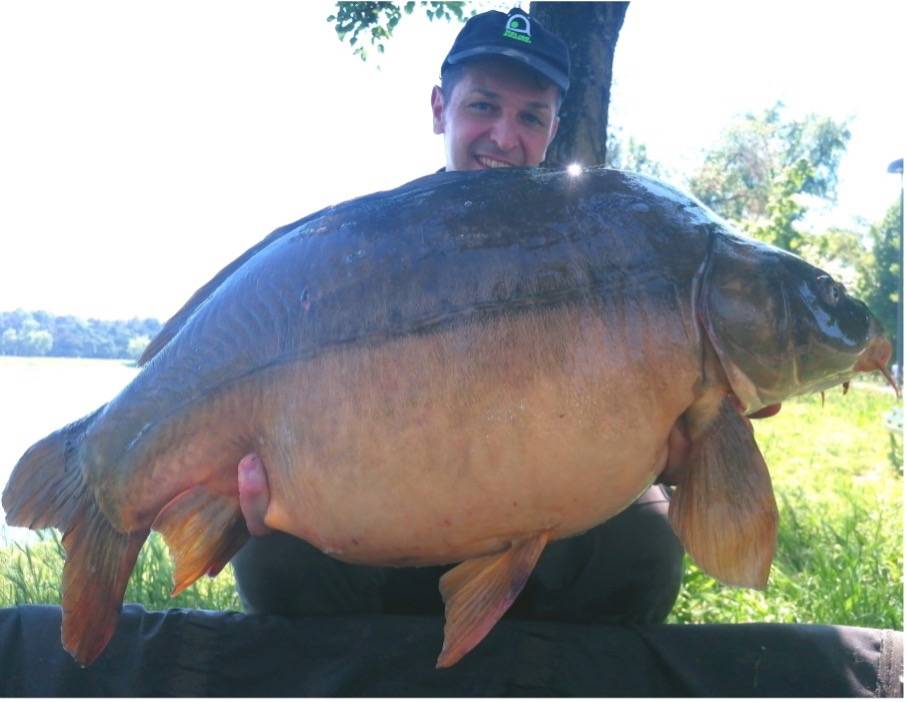
To sum up, fishing these areas is technically demanding, but if you approach them with the right precautions, they can deliver huge эмоtions and unforgettable captures.
See you next time… 😊
Daniele