

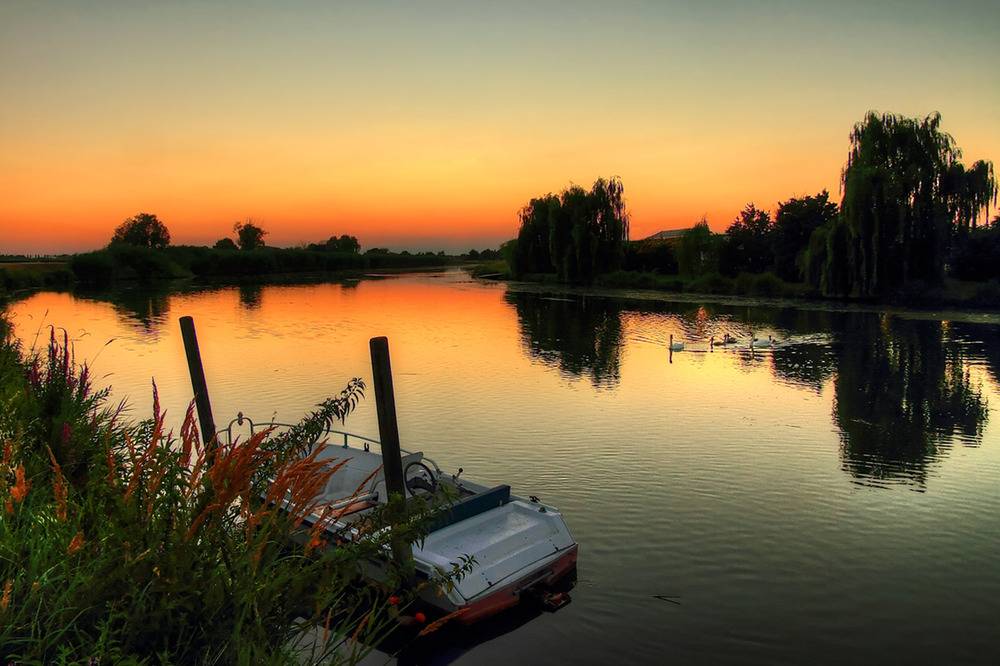
Carp Fishing on the River Sile: a technical water for those who can read it
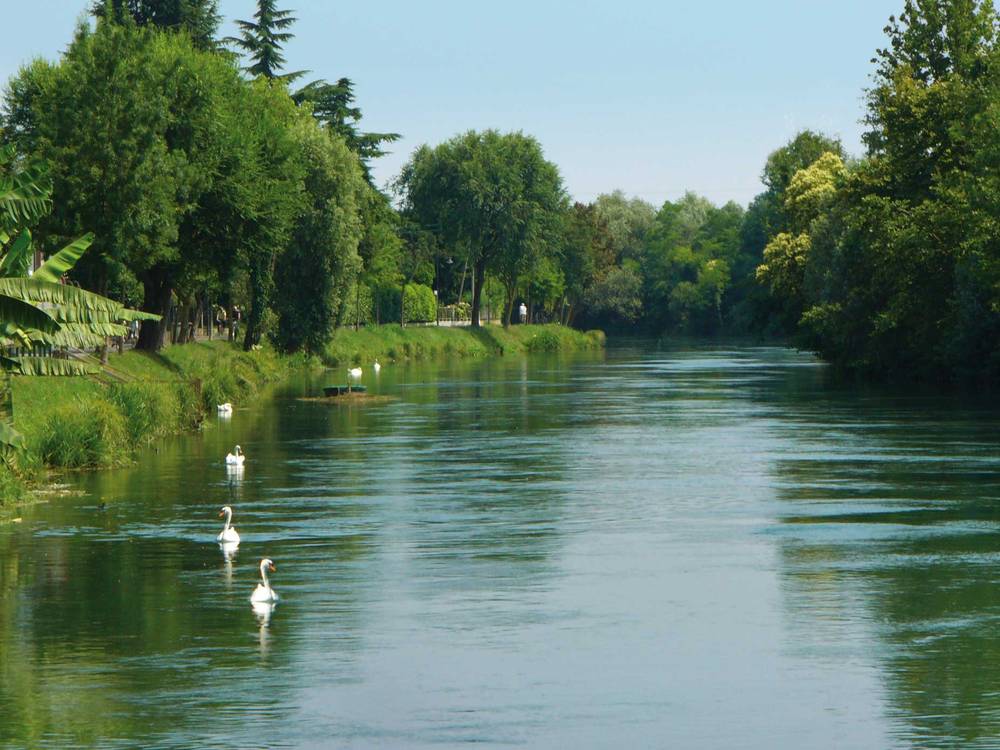
The River Sile rises from one of the most important spring-fed networks in Europe, flows slow and steady, and has water so transparent that the first time you go fishing there you immediately realise you have to change the techniques you learned elsewhere.
On the River Sile, carp fishing is first and foremost a matter of reading: of the bottom, of the obstacles, of the temperature, of the fishing pressure. Nothing that works by default in a closed gravel pit guarantees a productive session here. Today we’ll tell you how we at the Molino approach this river: how we read the spots, how we choose mixes and baits for its waters, how the pace changes with the seasons and what needs to be sorted out before you even set up your first rod.
The River Sile: springs, vegetation and an environment that makes the difference
The River Sile is one of the few large Italian rivers fed entirely by springs. What does that mean for us anglers? That the water temperature stays surprisingly stable all year round, at around 12-14 degrees even in the coldest months. Sile carp never fully go into hibernation, and this radically changes how you plan sessions compared with a Lombardy gravel pit or a drainage canal.
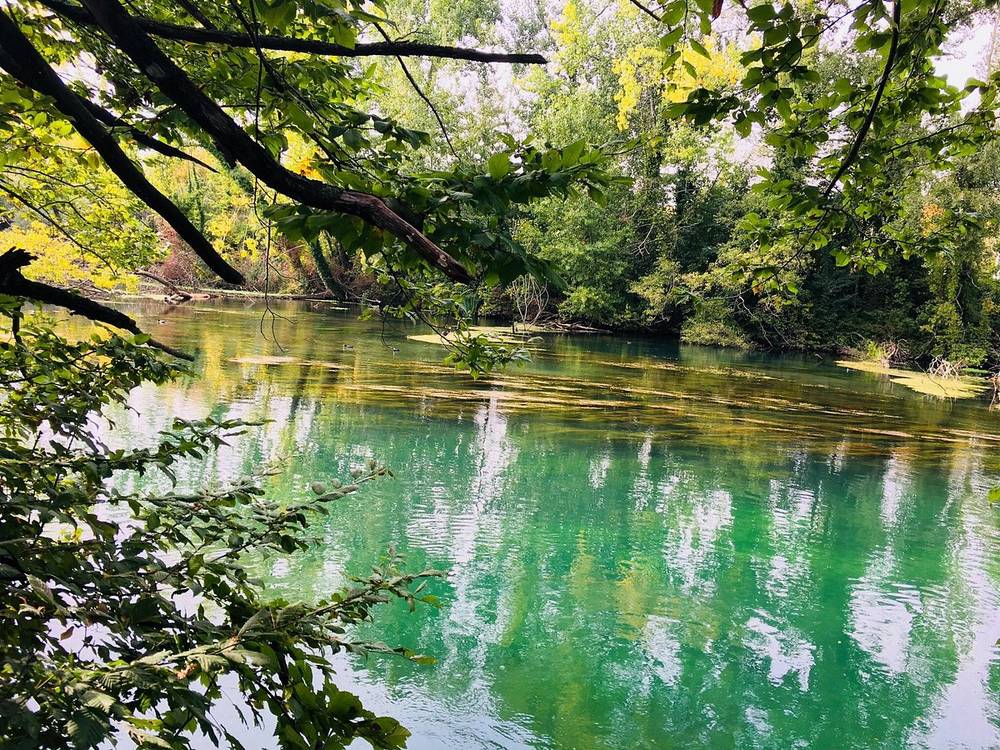
The environment, protected by the Sile River Nature Park, alternates dense reedbeds, submerged trees, long stretches covered by vegetation and the odd wider opening. It’s a perfect habitat for fish, but also a labyrinth that changes face every hundred metres. The carp use the obstacles as shelter and as a pantry, and move with patterns you have to figure out spot by spot.
Clear water adds another layer of complexity. By the time the fish sees you, you’re already out of the game: your approach on the bank counts as much as your choice of mix.
Reading the Sile’s bottom: where a blank ends and a session begins
The bottom of the Sile is a map. Muddy areas rich in natural food alternate with harder stretches of compact gravel and strips with submerged obstacles (fallen trees, branches, stones) that are the real magnets for sizeable carp.
Before positioning the rods, we feature the swim. A marker float, a fish finder if it’s allowed, or simply a bare lead and a torpedo lead to read the consistency: every tap on the bottom tells you something. A sharp vibration is gravel. A soft sink with no rebound is deep silt (and a pop-up works well there). A dry resistance is a hard margin or an obstacle: a spot to mark down and to respect.
Fishing pressure on the River Sile is real. The easy, visible spots are fished all year. The difference is made by the awkward spots: behind a bend, in the shade of a reedbed, on a hard patch a few metres from a submerged tree. You earn them by walking, not by sitting.


